Leah McKendrick Talks How ‘Voicemails for Isabelle’ Started as a Spec Script
By: Shanee Edwards
June 24, 2026
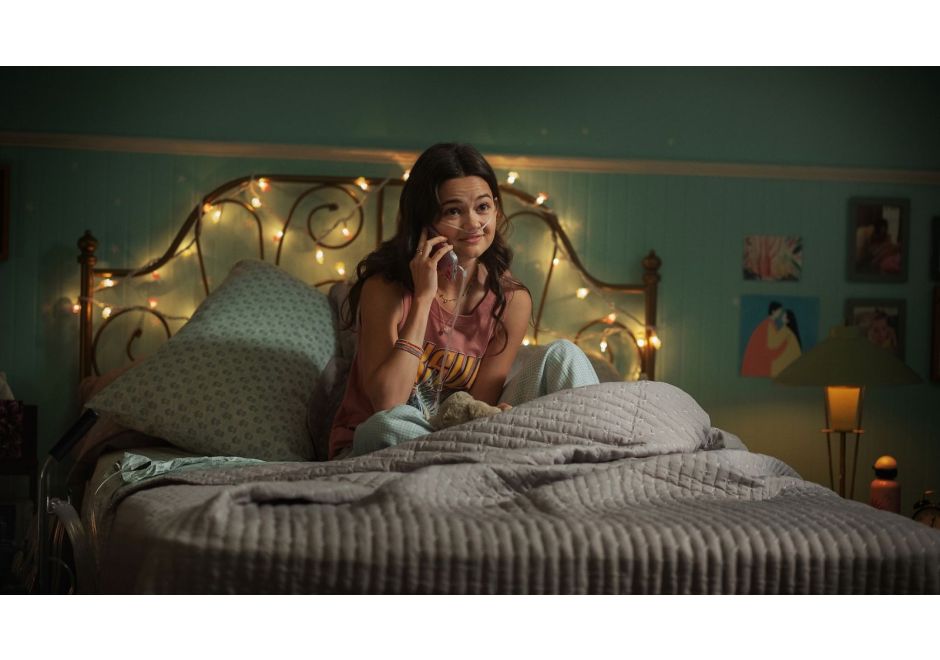
Writer/director/actress Leah McKendrick has built her career on one simple philosophy: Don’t wait for permission. At a time when breaking into Hollywood feels increasingly difficult, that mindset has become a survival skill.
Before writing and directing her first romantic comedy, Voicemails for Isabelle, McKendrick spent years grinding through Hollywood’s traditional system: Auditioning for acting roles, landing a recording contract that collapsed when the label folded, and writing studio projects that never made it to production. Eventually, she hit a wall.
“I was just struggling in Hollywood,” McKendrick says. “I felt that nobody saw me professionally, saw what I was capable of, and that I had so much to say and offer.”
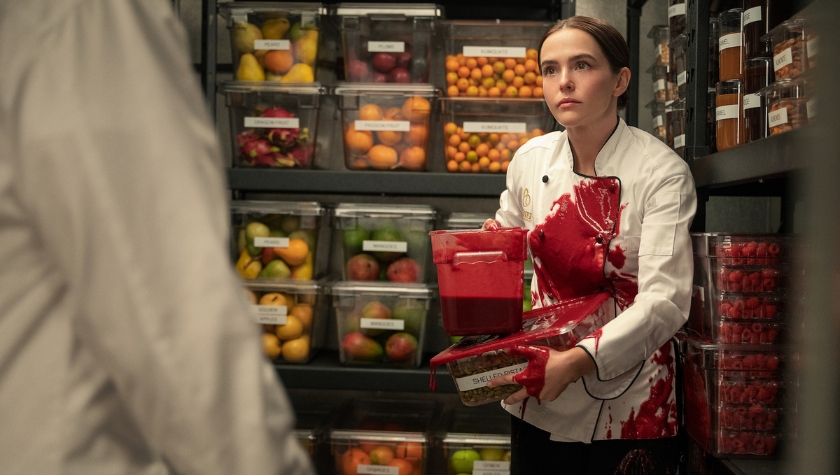
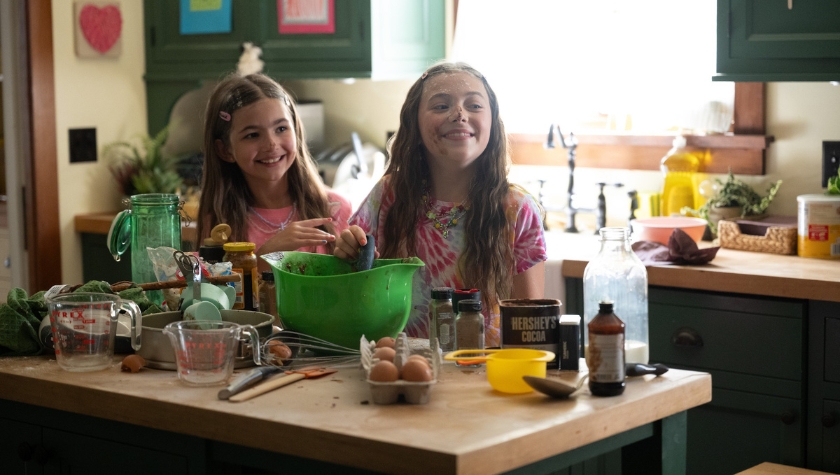
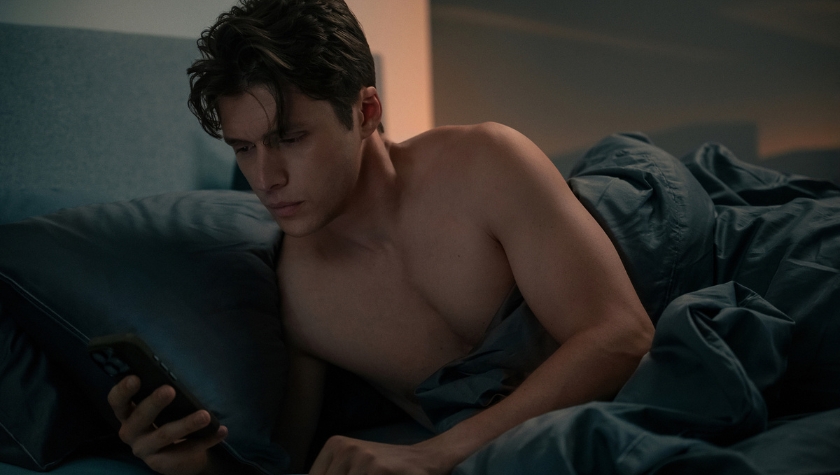
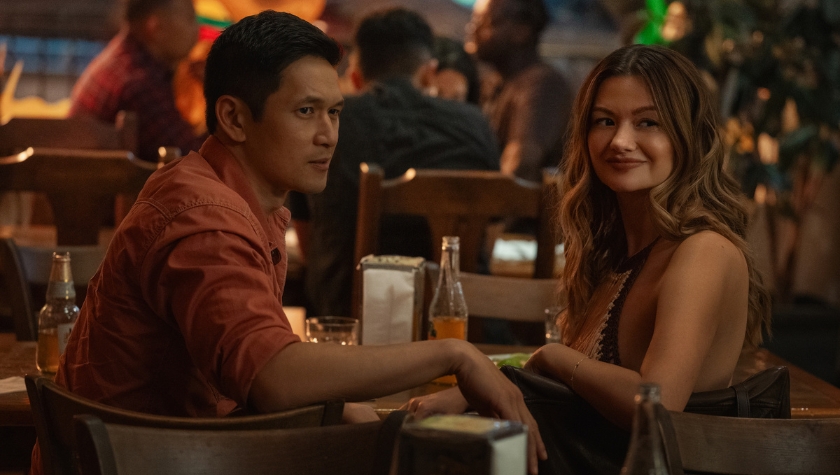
That frustration became the emotional engine for Voicemails for Isabelle, a rom-com with a very personal core. The film stars Zoey Deutch as Jill, a pastry chef whose confessional voicemails to her deceased sister are accidentally rerouted to a stranger, Wes (Nick Robinson), after the phone number is reassigned. The mishap sets off an unexpected long-distance romance.
But beneath the meet-cute is something heavier: Grief, reinvention, and the terrifying question of what happens when your life no longer looks the way you planned. It’s a question McKendrick knew intimately.
Writing From the Wound
McKendrick says the story began with her own relationship with her younger sister. “The love of my life is my little sister. She’s the one that taught me what true love is and how to identify it in the world.”
When she wrote the first draft of Voicemails for Isabelle eight years ago, she hadn’t yet met her husband. At the time, the screenplay felt less like a roadmap and more like wish fulfillment. “It was very much almost like a wistful dream.”
Years later, revisiting the script after getting engaged gave it a different emotional weight. “It was kind of beautiful to see that the ending where Jill and Wes come together came true in my own life.”
Like many romantic comedies, Voicemails for Isabelle is built on a high-concept premise. But McKendrick grounded it in something real. At the time, her own sister was living in New York, and she would vent to her. “I would leave her these long, emotional voicemails crying about the fact that I was struggling in Hollywood.”
Those calls became the seed of the movie and inspired her protagonist, Jill. Not just the grief-stricken version of her, but the ambitious, exhausted woman at the beginning of the film who feels stuck professionally, emotionally, and romantically. “So much of Jill’s life in the beginning was my actual life.”
Sick of Waiting
With a background in acting and singing, McKendrick quickly realized she couldn’t sit around waiting for opportunities. Instead, she started making her own.
She wrote, produced, and starred in a seven-episode musical web series called Destroy the Alpha Gammas, then built a body of work through short films. “I think I’ve made like 12 or 13 short films that I’ve written and starred in, produced, sometimes directed.”
Those projects were scrappy and low-budget, but they gave her confidence. Then came the next challenge: Making a feature.
“I thought, if I want to be a serious filmmaker, I’ve got to make a feature film, so I’ll just need to raise like $100,000,” she says, laughing. “What an adorable thought.”
Her first investor was family. “My cousin Jesse gave me $10,000 and I gave him a part, and then I cut him,” she says. “He’s still mad.”
From there, McKendrick cold-emailed more than 200 potential investors, piecing together financing however she could. She also put in every dollar she had.
“At that point I only had $10,000 to my name, and I put the entire thing in the movie. I wanted to be able to go into meetings and look people in the eye and say, ‘You know how much I believe in my movie? I have put every dollar to my name into this movie.'”
That conviction paid off. She made M.F.A., the revenge thriller that premiered at SXSW in 2017. “That was how I got my feature writing career,” she says.
The Two-Week Script That Changed Everything
McKendrick wrote the first draft of Voicemails for Isabelle in just two weeks. What happened next felt like a Hollywood fairytale. “My producer, who is my friend, read it, she sent it to Sony, they bought it within days.”
Suddenly, McKendrick was out of debt. “It gave me the type of money that you only dream of at that point in your life,” she says. The script landed on The Black List. Agencies started calling. Her career shifted almost overnight. “It was that immediate success.”
For an emerging writer, it felt like the ultimate validation. Then came the hard part.
The Painful Reality of Notes
Selling the script was fast. Rewriting it was not.
The original draft of Voicemails for Isabelle was even more autobiographical. Jill was a TV writer from New York heading to Hollywood to pursue her dreams. “At that point in my life, I just would pull from whatever I knew.”
But the studio wanted Jill’s profession to be something outside of Hollywood. That note terrified McKendrick. “I thought, everybody likes this. If I pull this apart, I might not know how to put it back together. I might actually ruin it.”
At the time, McKendrick was still new to professional rewriting. Coming from acting and music, she didn’t yet have a community of screenwriters to help her navigate notes. “It just feels like your heart is out there, and they’re picking it apart.”
But over time, she learned the most important truth about screenwriting: Writing is rewriting. “That is the job,” she says. “Nobody gets to shoot their first draft unless they’re doing it independently.” That realization shifted her entire perspective. She stopped seeing notes as destruction and started seeing them as collaboration.
“I could die on the hill of my script, or I could make a movie. Which do I want?”
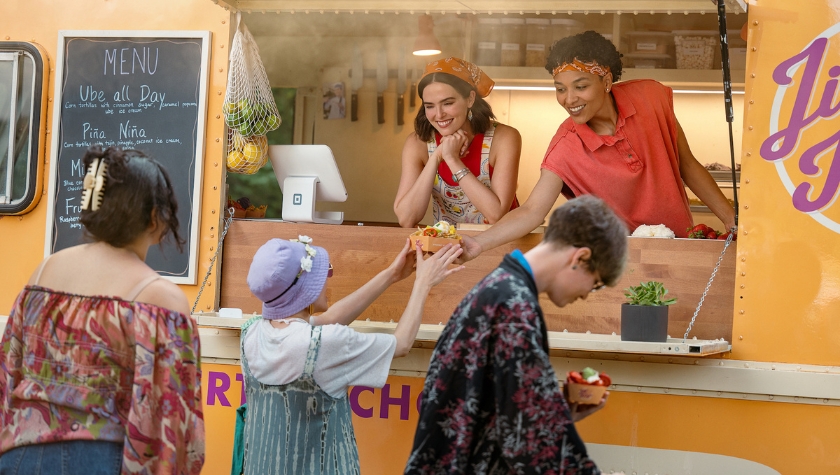
That question helped her clarify what mattered most for her protagonist. “The thing that I know for sure and that I cannot compromise on is Jill’s not leaving her sister if it’s not for an impossible dream.” That became the foundation for Jill’s new profession: Pastry chef. It was a note that ultimately made the movie stronger.
Advice for Writers
For aspiring writers and filmmakers, McKendrick’s advice is simple: Keep making your own work.
“Hold on to that indie spirit and don’t wait for permission,” she says. “The cavalry is not coming. Don’t wait for Netflix. I promise you Netflix will come and find you when the time is right. I promise you they are watching.”
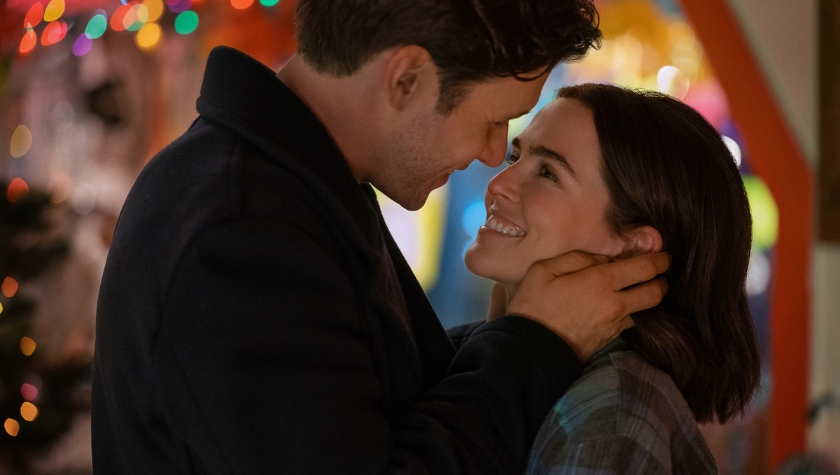
Voicemails for Isabelle was written in Final Draft and is now streaming on Netflix.