
How Voicemails for Isabelle Turns Music into Emotional Movie Magic
“We watched those scenes — going through several boxes of tissues — and then were like, ‘OK, let’s write.’”
By Alex Frank
June 23, 2026
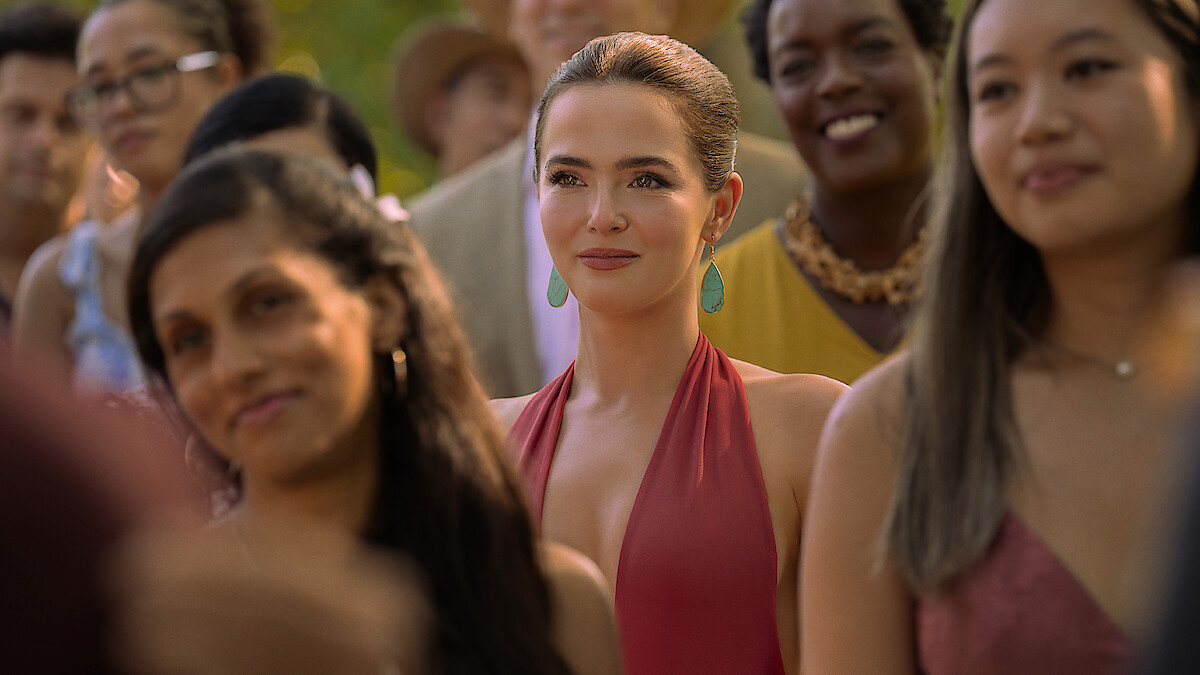 PHOTO BY DIYAH PERA
The annals of rom-com history are littered with memorable scores and soundtracks — the swell of strings beneath a long-awaited first kiss, the timeless standards that turn a wedding dance into a happily ever after, the triumphant crescendo alongside a desperate dash through the rain. The best rom-coms don’t just use music to accompany the story — music becomes part of the romance itself.
The musical team behind Voicemails for Isabelle — composing duo Este Haim (from the iconic indie sister band Haim) and Amanda Yamate, as well as music supervisor Season Kent — understood and honored that tradition. “It changes everything,” says Haim. “It can make or break a scene.”
A classic rom-com with a deeply emotional twist, Voicemails for Isabelle centers on a young pastry chef, Jill (Zoey Deutch), who’s dealing with the death of her sister, Isabelle (Ciara Bravo). She copes with the loss by continuing to send Isabelle voice messages, which are accidentally intercepted by Austin real estate agent Wes (Nick Robinson).
At the heart of the new film, written and directed by Leah McKendrick, is one beloved Robyn anthem, “Dancing on My Own.” The film reimagines the song as a tender tribute to sisterhood, resilience, and finding one’s way through grief — and it shows just how transformative the right track can be. “The song becomes completely through Izzy’s point of view — watching Jill ‘from across the room,’” says Kent (People We Meet on Vacation). “It’s heartbreaking and beautiful. It has the full package of a timeless song that you can feel in your soul.”
The soundtrack includes a delightfully unlikely assortment of hits from Taylor Swift, MeShell Ndegeocello, Usher, Kesha, Benson Boone, and the aforementioned Robyn. The score was crafted with equal care, as Haim and Yamate worked with balance and texture in mind. The duo, who’ve worked together on Do Revengeand You Are So Not Invited to My Bat Mitzvah, built a gorgeous backdrop of piano, guitar, synth, and even their own voices in harmony. “Este has been collaborating with her family her whole life,” says Yamate. “I came from a place of composing alone. It’s been really nice to open up to a new way of making music.”
Here, Haim, Yamate, and Kent discuss what it took to craft just the right tone for Voicemails for Isabelle.
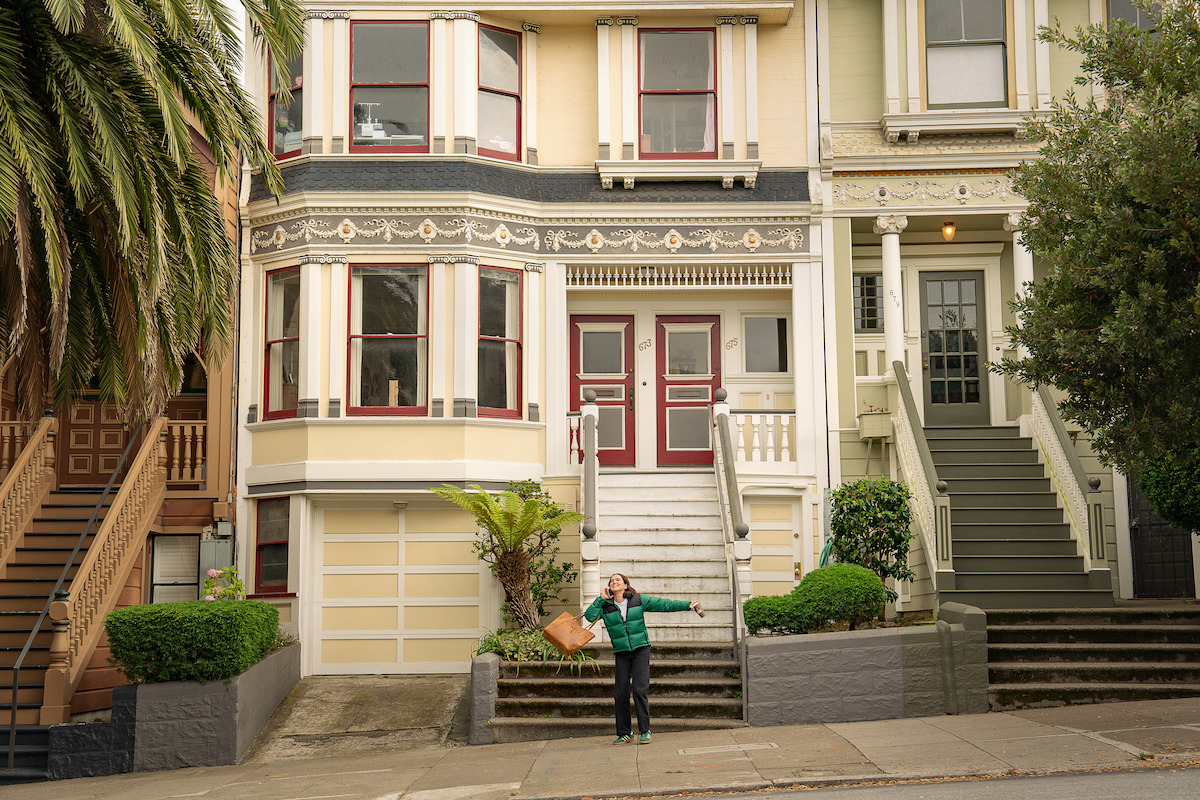
PHOTO BY ALLYSON RIGGS
You can’t tell a great story in film without the right music. The kiss scene, for instance, is so much more powerful because of the score you wrote.
Este Haim: We’re very proud of that cue.
Amanda Yamate: A lot of the cues that we wrote were either going into or coming out of a needle drop. On that cue, we’re coming out of everyone singing, “I Left My Heart in San Francisco.” Este crushed the vocals on that. We were just trying to make it as sweeping and romantic as we could. We perform on all the scores, but this one was extra special [since we] both got to use our voices for the first time. I’ve been a Haim fan since high school, so sometimes I listen back to these cues, and I’m like, “That’s a legend right now on our cue.”
Haim: Well, I’ve been an Amanda fan since I met them.
The movie is quite emotional, but there’s also some lighthearted, funny stuff. How did you maintain that energy?
Yamate: We listened back to some of those classic rom-coms to see how they balanced themes — it was very fun to do a modern take on that. Leah was so open to us being inspired by a lot of the needle drops. I studied orchestral music. Este is a rock legend and would come in and play bass and synths. We were a good team to tackle all of that.
Tell me about some of those classic rom-com scores that inspired you.
Yamate: The classic scores of Alan Silvestri (Forrest Gump, Back to the Future) and Thomas Newman (Finding Nemo, Skyfall) inspired us because those are the filmmakers whom Leah was inspired by. But then there are also classic comedy moments that are inspired by Danny Elfman (Charlie and the Chocolate Factory, Desperate Housewives), like the score during the scenes at the bakery.
Season Kent: We had several rom-com film scores in our heads while we were assembling the film and finding our tone and footing. But Amanda and Este had their own vision that we put in the film as soon as we could.
We tried to hit the heart and the tone of what it means to love your sister and possibly lose her. Este has sisters. I have a sister.
Amanda Yamate
Tell me about the role “Dancing on My Own” plays. It’s amazing to see it in this film in an entirely new context.
Haim: Robyn’s a queen. She’s been the mayor of the dance floor for the last 20 years. I DJ sometimes, and when that song comes on, it’s like the air gets sucked out of the room. It’s an exhalation. It’s beautiful to see it in this new context, but it’s also so heartbreaking and tragic.
Kent: When I read this song in the script, I was definitely worried about all [the movies and shows this song has been in] and how ours could stand out. When I reached the end of the script, it all clicked. I was in tears.
“Dancing on My Own” becomes about Izzy’s love and how she’s sadly not the one who gets to dance with Jill. It’s everything from the tempo and sound quality that the driving synths express to the anthemic quality and relatability of Robyn’s lyrics that make it so special.
Yamate: The movie opens with five minutes of Robyn — we did a lot of sweetening on that part. We added layers to make the song feel more cinematic.
You’ve also got some Taylor Swift needle drops in there.
Haim: Any movie that has a Taylor Swift song, I’m in.
Kent: We’re all fans of Taylor. “Marjorie” was a song Leah had in mind before we started shooting, and we all felt it might be a long shot. Once we tried it in the cut, that was it — we had to figure out a way to make it happen.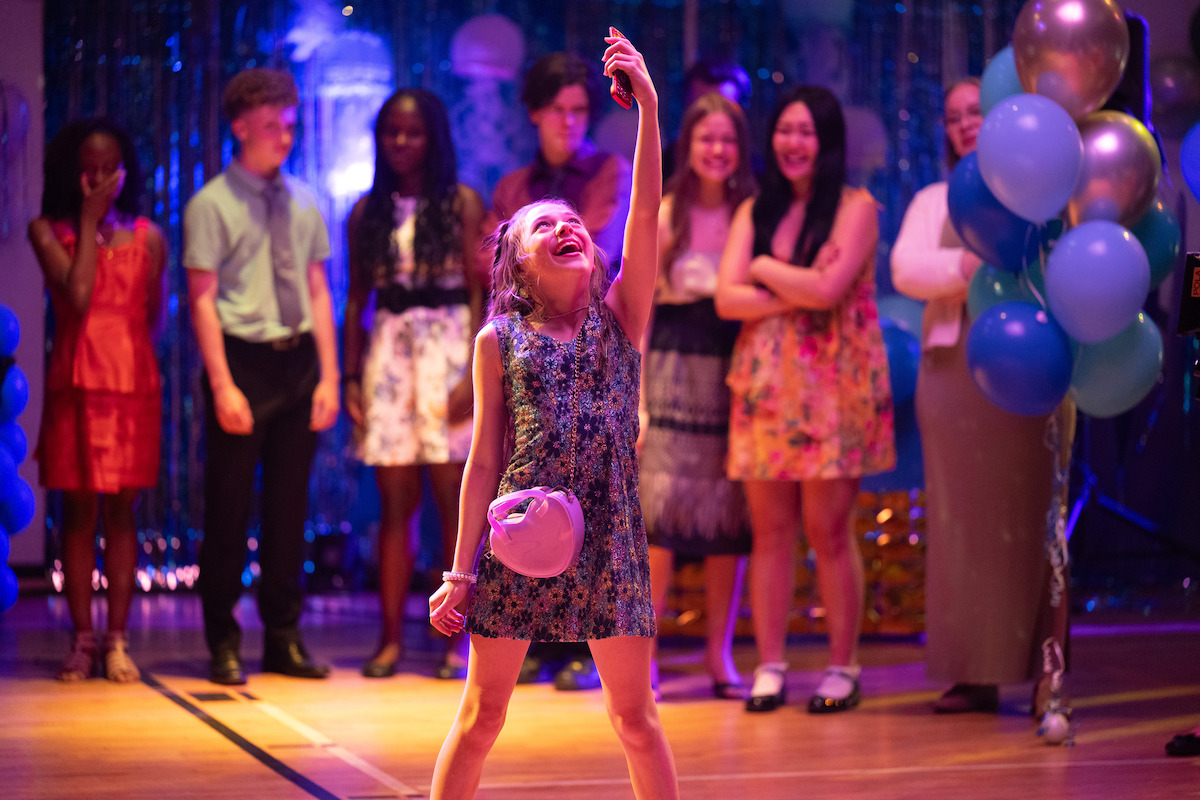
PHOTO BY DIYAH PERA
You worked with a live orchestra for the strings, right?
Haim: There was this specific part — a big, throbbing, heartfelt, energetic part of the movie — and we had demoed it with strings, but we were like, “Wouldn’t it be great if we could get live strings on this?” Netflix was so generous, and Leah really championed us. Our proudest moment was being able to go into the music studio The Village and record a live orchestra.
Yamate: The room we recorded in at The Village was built for Fleetwood Mac, and the players that we got are legends. At lunch, they’re like, “Yesterday we were with John Williams, and we all met because we recorded Toy Story together.”
The live strings were a through line and brought together all these genres. We have the strings on the love theme, on Wes’s theme, in the comedy moments. It really just elevated what the score could be.
Este, you’ve written music with your sisters about the sibling bond, like the Haim song “Hallelujah.” How does being a sister influence you creatively?
Haim: My sister Alana lost her best friend when she was 19, and “Hallelujah” is about what that was like for us as sisters to be there for her. We had never experienced a loss like that, and it was a lesson for us about how to be there for someone when they’re grieving.
My verse on “Hallelujah” was about how grateful I am that I have two people who are always looking out for me on the road. I’m dealing with chronic illness, and sometimes it’s really tough for me to take care of myself. Thank God I have my sisters Danielle and Alana to keep me safe.
When ‘Dancing on My Own’ comes on, it’s like the air gets sucked out of the room. It’s an exhalation. It’s beautiful to see it in this new context, but it’s also so heartbreaking and tragic.
Este Haim
Did you bring the Haim vibe to the Voicemails for Isabelle score?
Haim: How could there not be? It runs through my veins. You can’t just mute that, you know? I think anything that sounds percussive and frantic and anxiety-ridden in any score that we do comes directly from being a Haim sister.
Yamate: That’s the first thing you grab in the studio. You’re like, “Give me a drum.” 
PHOTO BY DIYAH PERA
You wrote “Sister’s Theme,” which plays when Isabelle and Jill are together in body or in spirit. What inspired the sound?
Yamate: Since we first met Leah and read the script, we just tried to hit the heart and the tone of what it means to love your sister and possibly lose her. Este has sisters. I have a sister.
Haim: We really did a lot of playlisting and ruminating on music that was made by women. We watched scenes from the movie over and over again — going through several boxes of tissues — and then were like, “OK, let’s write.”